
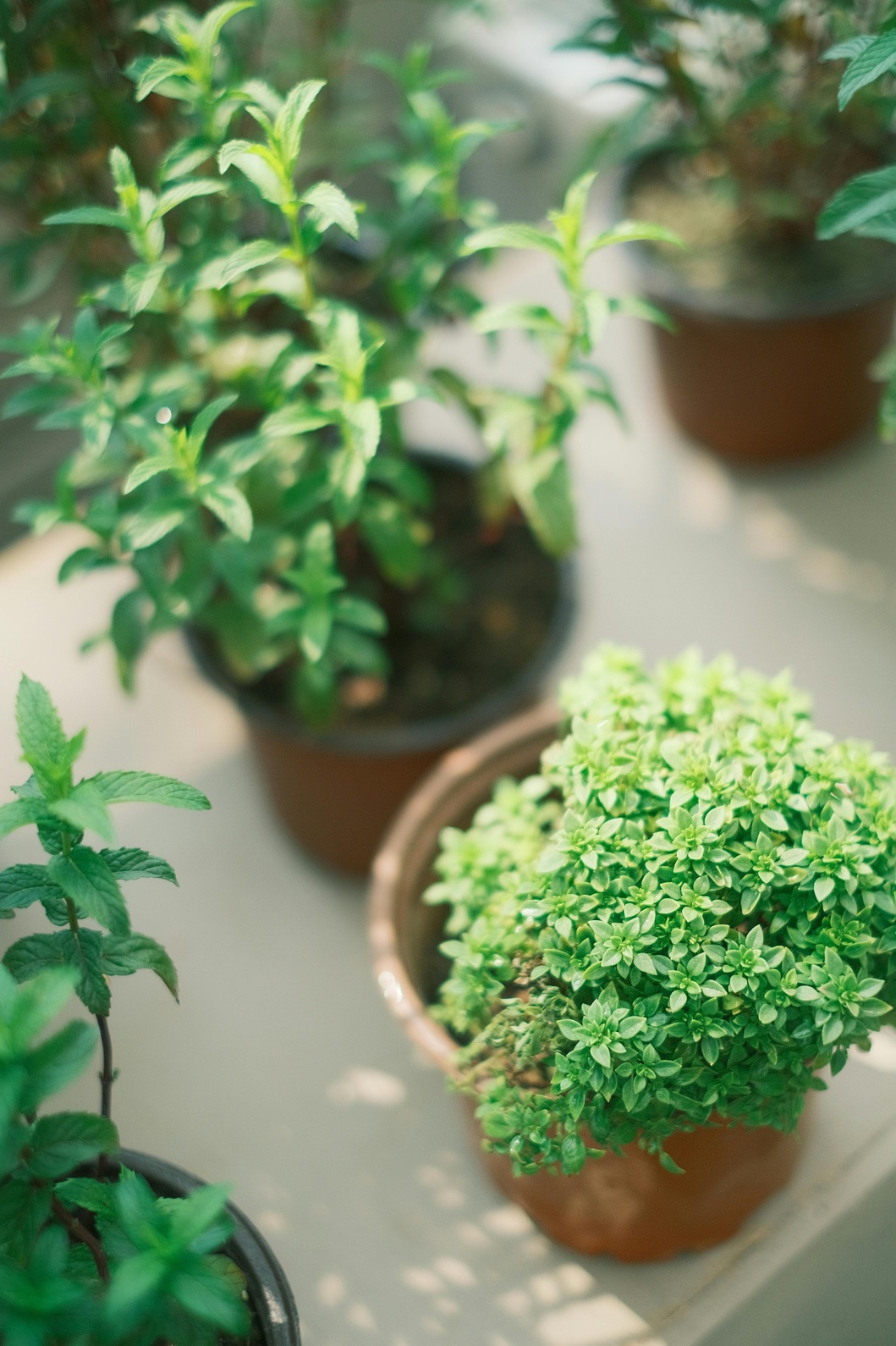
There is something incredibly satisfying about snipping fresh herbs right from your own kitchen instead of buying those sad, plastic-wrapped bunches from the grocery store. If you’ve ever tried growing herbs and failed, don’t sweat it. Most people over-complicate it.
Whether you have a massive backyard or just a tiny sunny windowsill, here is how you can master the “Big Three” of the herb world.
1. Basil: The Sun Seeker
Basil is basically the king of summer herbs. It’s delicious, smells like heaven, and grows like a weed if you give it what it wants: heat and light.
- The Secret: Basil hates cold feet. Don’t even think about putting it outside until the nights are consistently warm.
- The Trick: If you want a bushy plant instead of a tall, leggy one, you have to be “mean” to it. Pinch off the top set of leaves every time the stem gets 6 inches tall. This forces the plant to grow outwards.
- Watering: Water the soil, not the leaves. Wet leaves lead to spots and fungus.
2. Mint: The Beautiful Monster
I have a love-hate relationship with mint. I love it in mojitos and tea, but I hate how it tries to take over the entire garden.
- The Golden Rule: Always grow mint in a container. If you plant it directly in the ground, it will spread under your lawn, through your flower beds, and eventually into your neighbor’s yard.
- Light: Mint is actually pretty chill. It likes sun, but it’s one of the few herbs that will happily grow in partial shade.
- Harvesting: Don’t be shy. The more you harvest mint, the more fresh, tender leaves it produces.
3. Coriander (Cilantro): The Drama Queen
Coriander is the trickiest of the bunch because it has a short “fuse.” One minute it’s a beautiful lush green, and the next day it shoots up a tall stalk and turns into seeds (this is called “bolting”).
- Beating the Heat: Coriander actually prefers cooler weather. If it gets too hot, it panics and goes to seed. Grow it in a spot that gets morning sun but afternoon shade.
- Don’t Transplant: Coriander has a delicate taproot. It hates being moved. It’s much better to sow the seeds directly into the pot where they will stay.
- Succession Planting: Since coriander grows fast and dies young, plant a few new seeds every two weeks. This ensures you always have a fresh supply ready to harvest.
Three Pro-Tips for All Your Herbs:
- The Drainage Test: Your pots must have holes in the bottom. Herbs hate sitting in soggy soil; it rots their roots faster than you can say “pesto.”
- Good Dirt Matters: Don’t just grab soil from the backyard. Use a high-quality potting mix that’s light and fluffy.
- Feed Them (Sparingly): A little bit of organic liquid fertilizer once a month is plenty. Over-fertilizing can actually make the flavor of the leaves weaker.
