
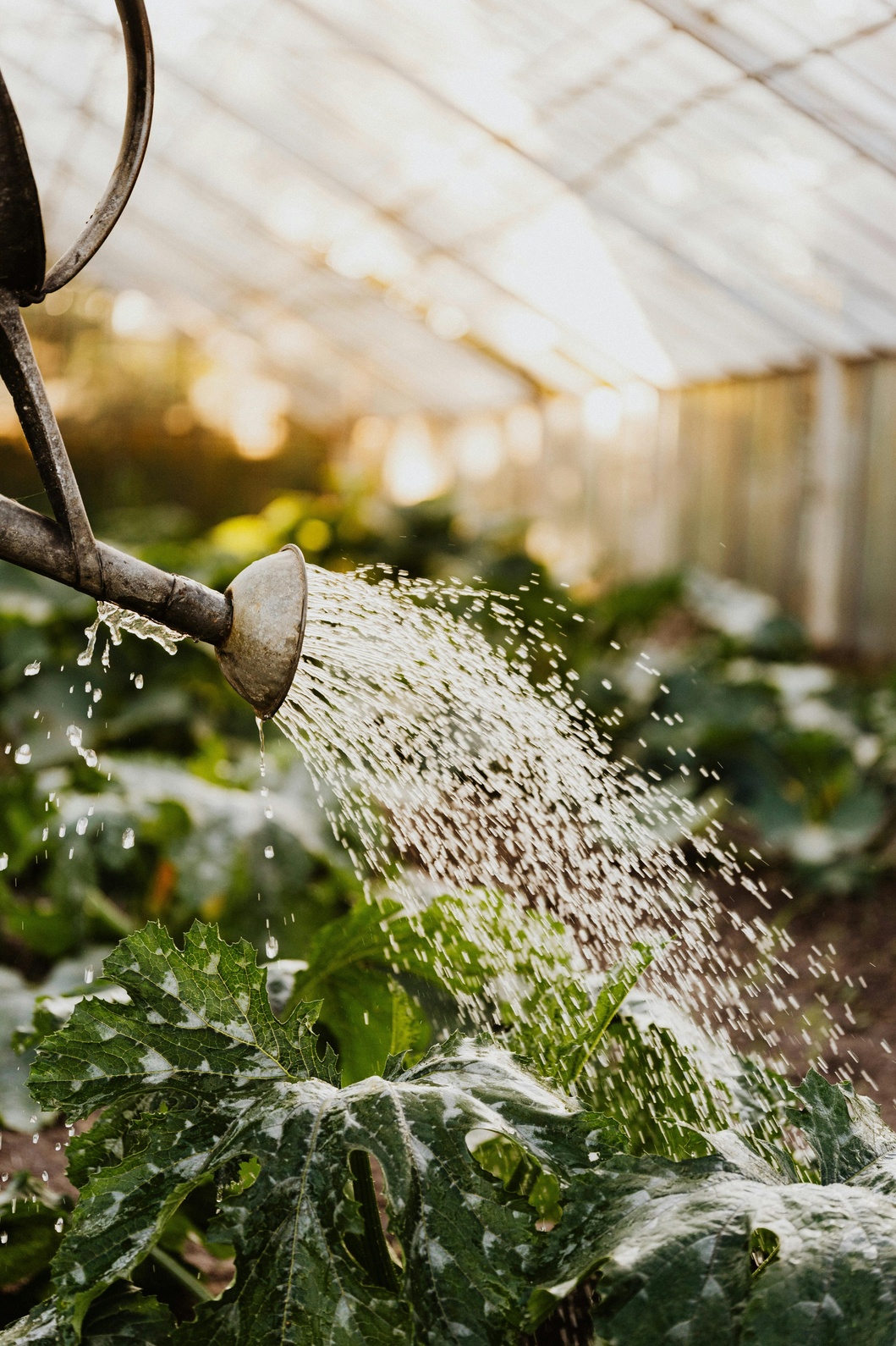
We’ve all been there. You see a leaf looking a bit sad, so you give it a drink. Then another. Before you know it, your favorite Pothos is sitting in a swamp, and those vibrant green leaves are turning a sickly, mushy yellow.
Overwatering is easily the #1 plant killer, but it isn’t always a death sentence. If you act while the roots are still salvageable, you can bring your green friend back from the brink. Here is my tried-and-tested rescue plan.1. The “Tell-Tale” Signs
The trickiest part about overwatering is that it often looks like the plant is thirsty. However, if you look closer, the symptoms are unique:
- The Squish Test: If the base of the stem feels soft or “mushy” rather than firm, the plant is holding too much water.
- Yellowing from the Bottom: Usually, the oldest leaves at the base will turn yellow and drop off first.
- The Nose Knows: If you sniff the soil and it smells like a damp basement or rotting vegetables, you’re dealing with root rot.
- Tiny Guests: If you see little black gnats flying around the soil, they are likely feeding on the fungus caused by excess moisture.
2. The Emergency Rescue Mission
If your soil is a muddy mess, you can’t just wait for it to dry out. You need to intervene.
- Evacuate the Water: First, tip the pot. If water pours out of the bottom, get rid of it. If your pot doesn’t have drainage holes, that’s your first mistake—you’ll need to move the plant to a pot that breathes.
- The Paper Towel Trick: If the soil is soaking, take the plant out of the pot (soil and all) and wrap the root ball in several layers of newspaper or paper towels. This pulls the moisture out much faster than evaporation alone.
- Check the “Engine Room” (Roots): Gently brush away the soggy soil and look at the roots. Healthy roots should be firm and white. If they are black, slimy, and fall apart when you touch them, snip those dead bits off with clean scissors.
3. Setting Your Plant Up for Success
Once you’ve cleared away the rot, repot the plant in fresh, dry soil. Avoid the temptation to use the old soil; it likely contains the fungi that cause rot.
To prevent a repeat of this tragedy, I always recommend mixing in some perlite or orchid bark. This creates “air pockets” in the dirt, so even if you get a little heavy-handed with the watering can next time, the roots can still breathe.
