
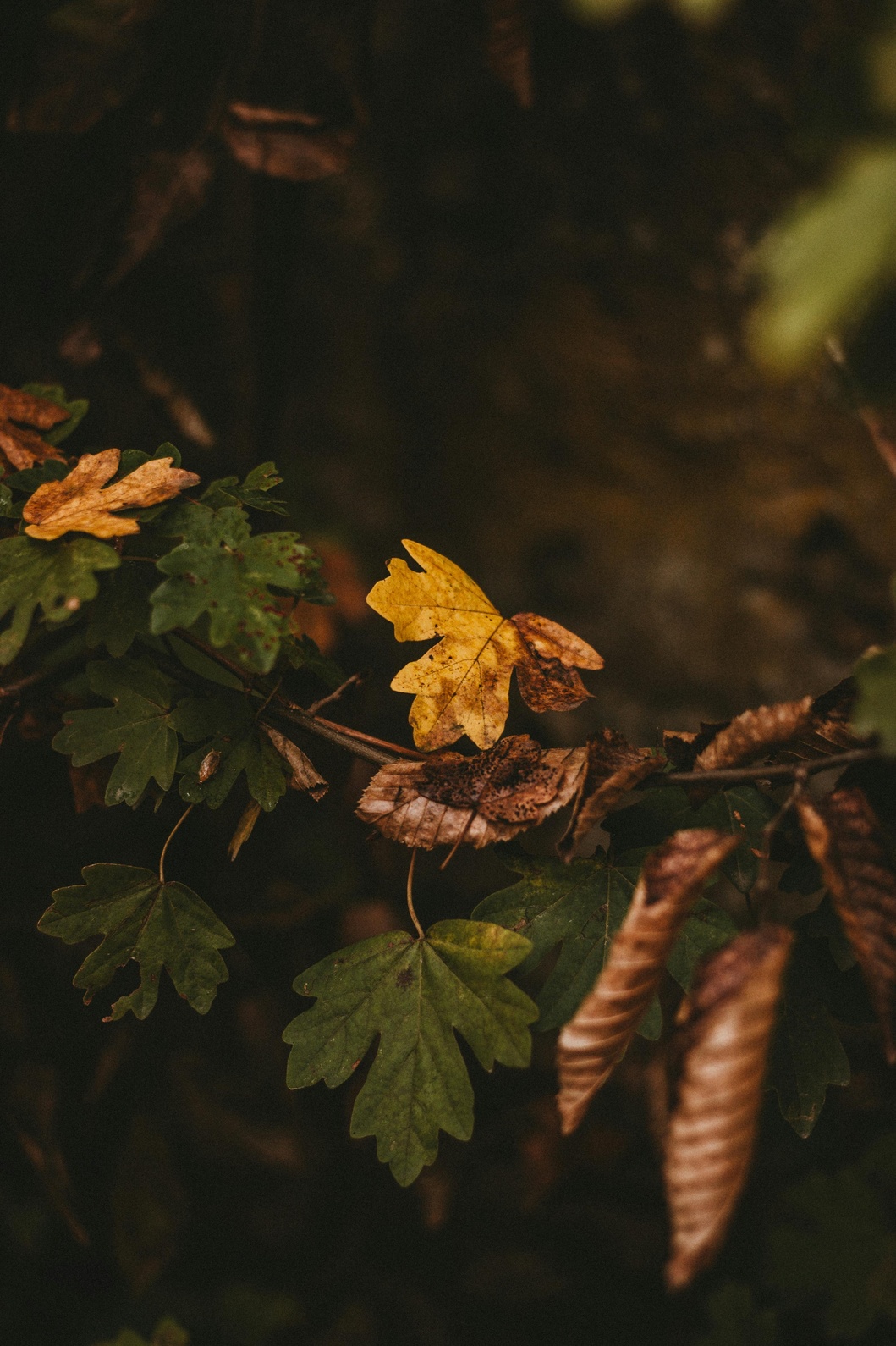
There’s nothing quite as heart-sinking as walking over to your favorite indoor plant and seeing a bright yellow leaf staring back at you. It’s the plant version of a “check engine” light.
The problem? Yellow leaves (clinically known as chlorosis) can mean a dozen different things. If you treat it for the wrong problem, you might actually finish the plant off for good. Let’s break down how to play plant detective and figure out what’s actually going on.
- The #1 Culprit: Watering Woes
Believe it or not, both too much and too little water cause yellowing, but they look slightly different.
Overwatering: This is the most common mistake. If the leaves are yellow, limp, and feel a bit mushy, you’re drowning it. The roots are literally suffocating and can’t send nutrients up to the leaves.
Underwatering: If the leaves are yellow, crispy, and curling at the edges, the plant is parched. It’s sacrificing its oldest leaves to save the core.
The Fix: Stick your finger two inches into the soil. If it’s damp, walk away. If it’s bone dry, give it a soak.
- Hunger Pains (Nutrient Deficiency)
Plants don’t just need water; they need “food.” If you haven’t repotted your plant in a year or two, the soil is probably empty of nutrients.
Nitrogen Deficiency: The whole leaf turns a pale, lime green or yellow, starting with the older leaves at the bottom.
Iron Deficiency: This is easy to spot—the “veins” of the leaf stay dark green, but the space between them turns bright yellow.
The Fix: Start a regular feeding schedule with a balanced liquid fertilizer during the growing season (Spring and Summer). Just don’t overdo it—too much fertilizer can “burn” the roots.
- “I Need My Space” (Lighting Issues)
Plants are basically solar-powered machines. If they aren’t getting enough light, they can’t produce chlorophyll (the stuff that makes them green).
Too Little Light: You’ll notice the side of the plant facing away from the window turning yellow first. The plant might also look “leggy” or stretched out.
Sunburn: Yes, plants get sunburned too! If you see yellow or bleached-white spots on leaves that sit in direct afternoon sun, it’s getting toasted.
The Fix: Move your plant closer to (or further from) the window based on its specific needs. Most houseplants love “bright, indirect light”—think of a spot where you could comfortably read a book without a lamp.
- The Circle of Life
Before you panic, check where the yellowing is happening. Is it just one or two leaves at the very bottom of a perfectly healthy-looking plant?
The Fix: If it’s just the old, bottom leaves, do nothing. Plants naturally shed their old “equipment” to focus energy on new growth. Just snip the yellow leaf off with clean scissors and move on with your day.
Diagnostic Checklist:
If the Leaf is Yellow+ mushy the problem is likely overwatering /Root Rot
If the Leaf is Yellow + crispy the problem is likely underwatering/Low humidity
If the Leaf is Yellow + pests(spots ) the problem is likely Aphids or Spider Mites
If the leaf is Yellow + Green Veins the problem is likely Iron or Magnesium Deficiency
